 NoteX Table
Cheating is too easy
64% of high school students admit to cheating on tests. General-purpose devices create loopholes. Schools need exam integrity by design, not classroom policing layered on top.
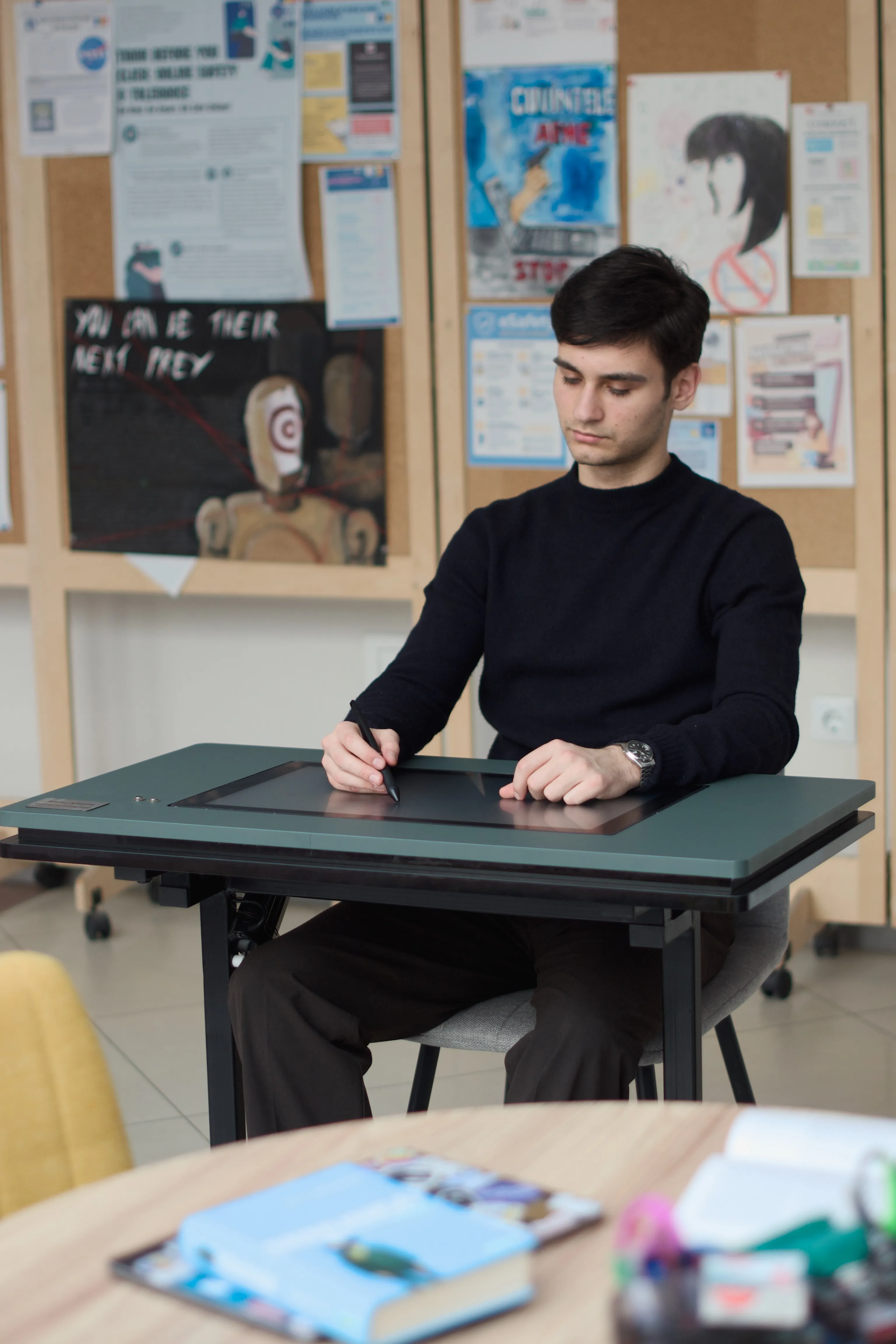
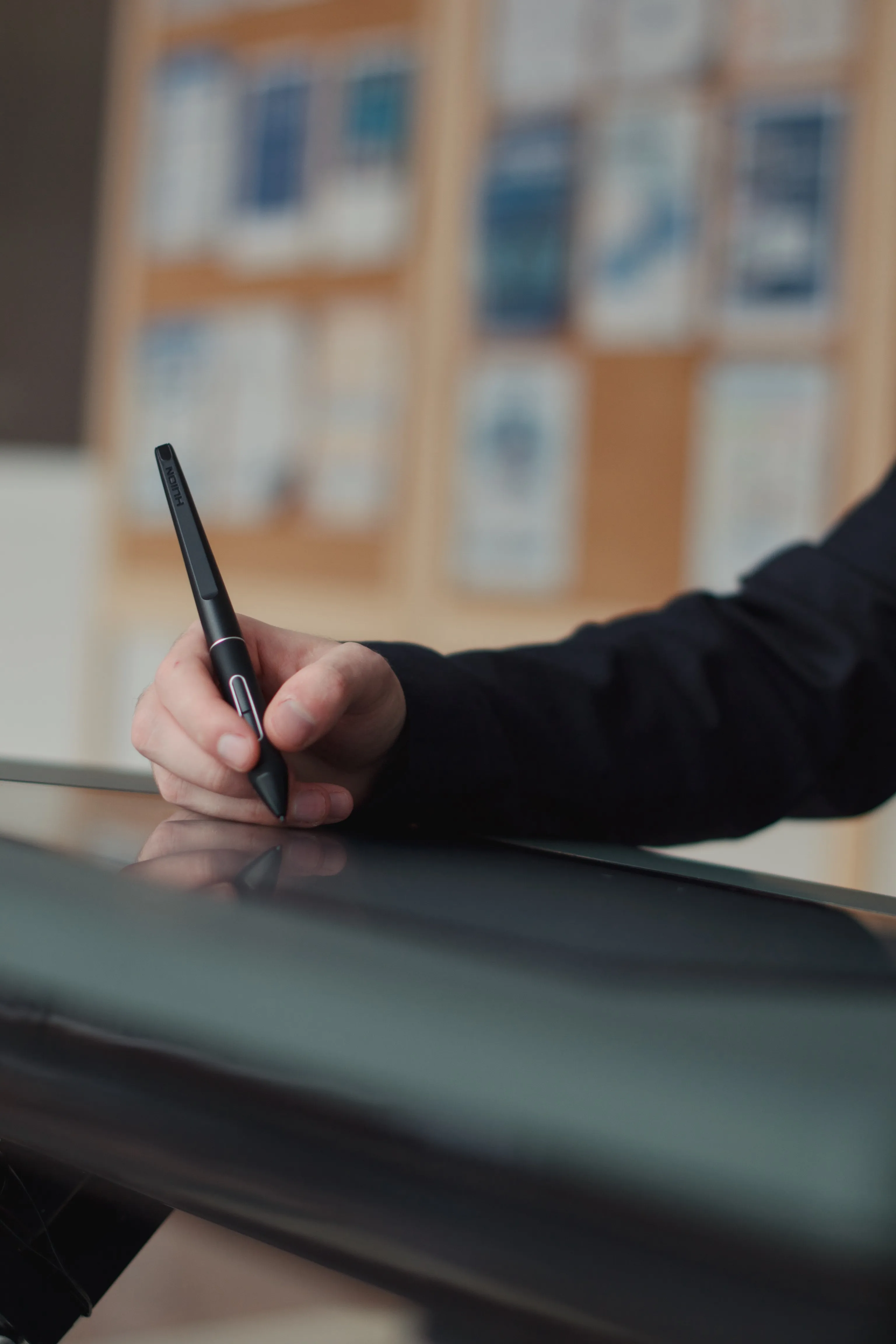
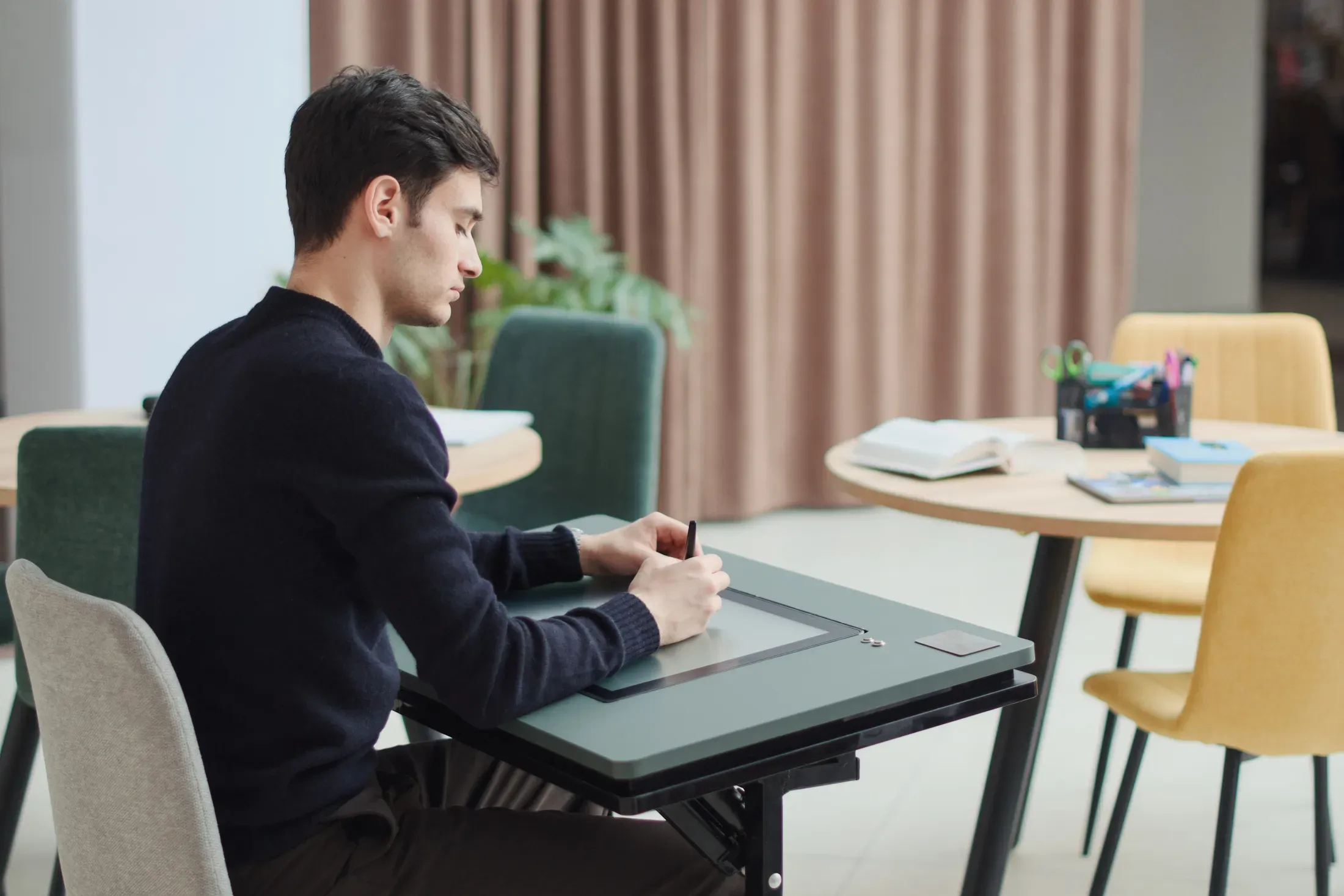
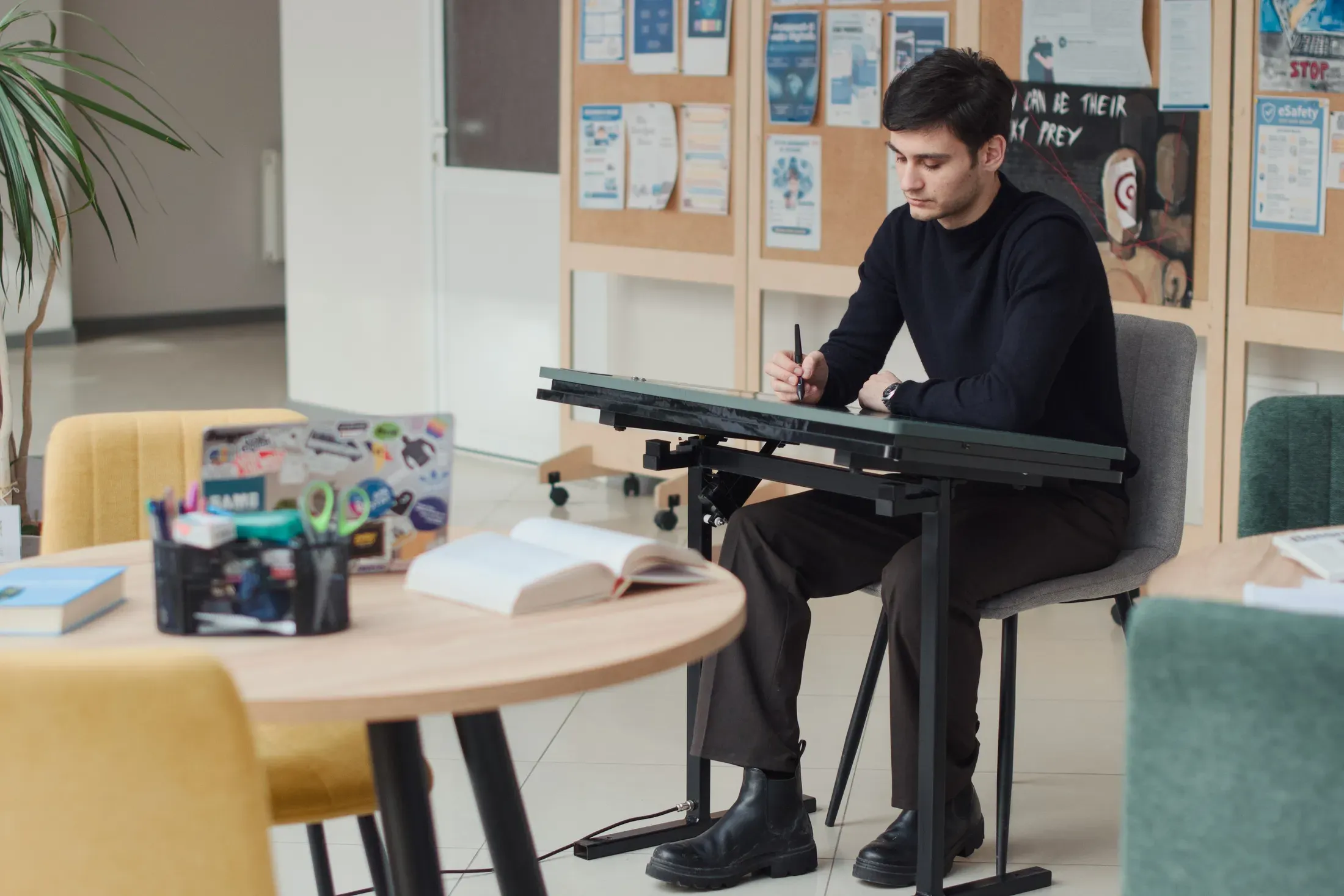
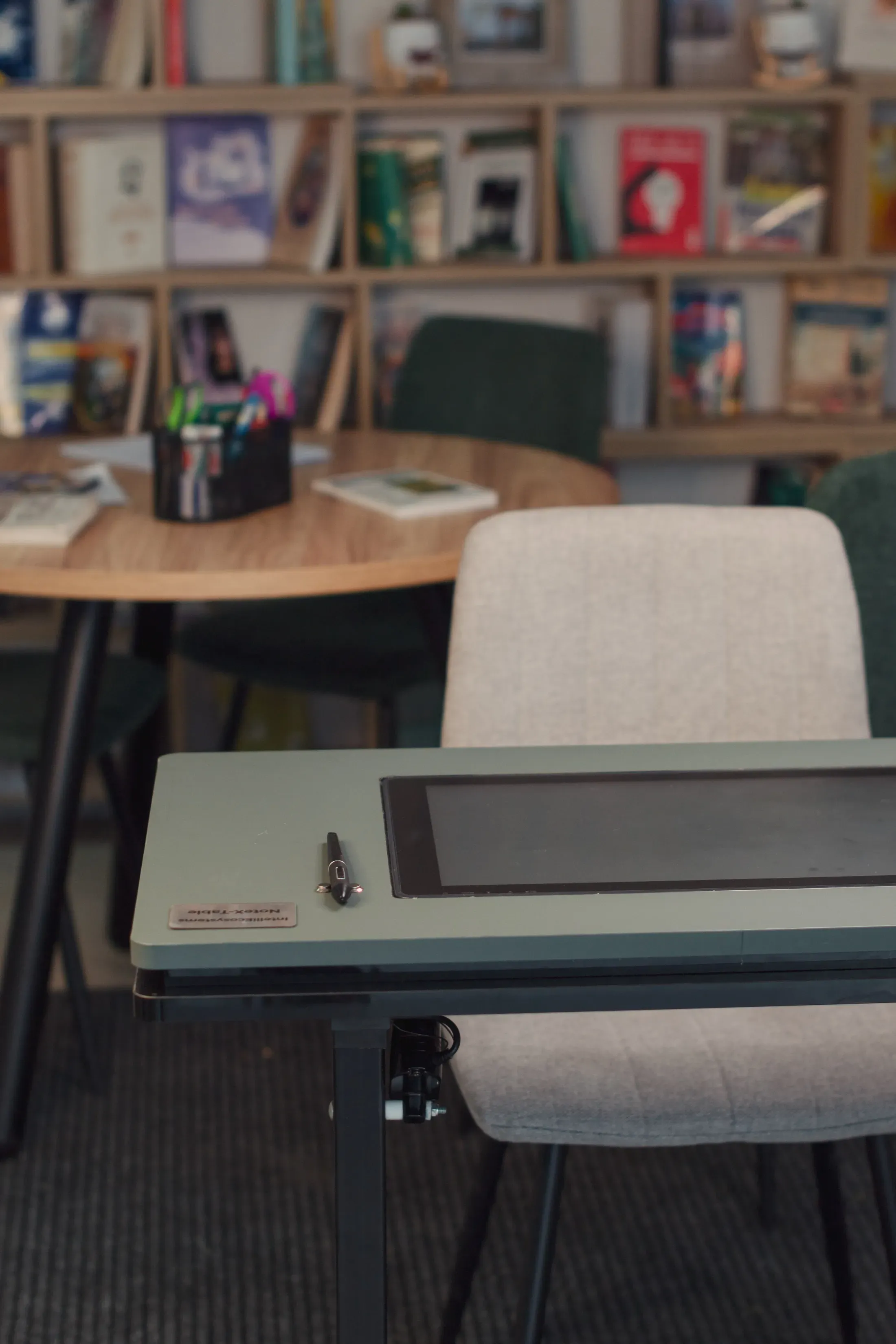
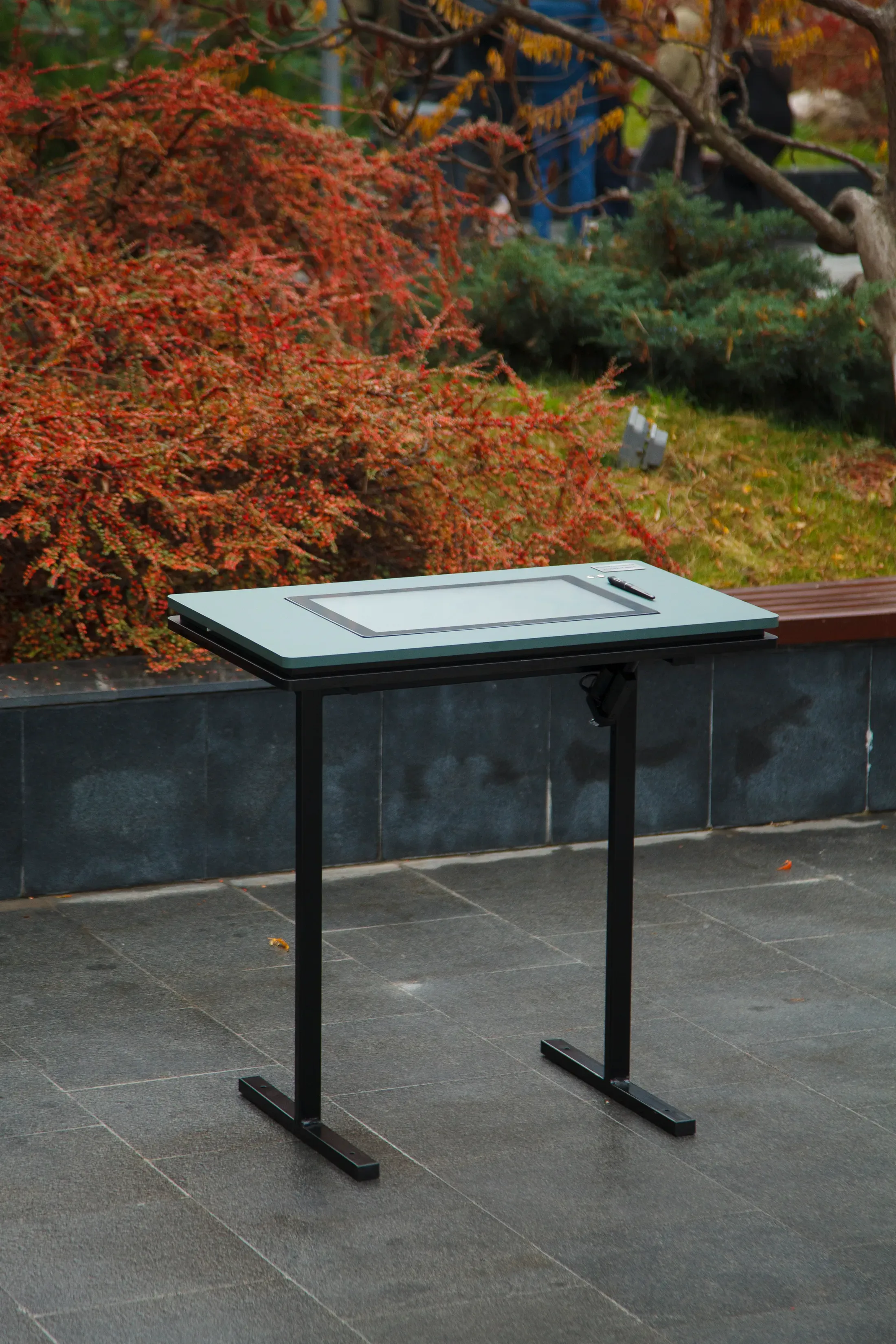
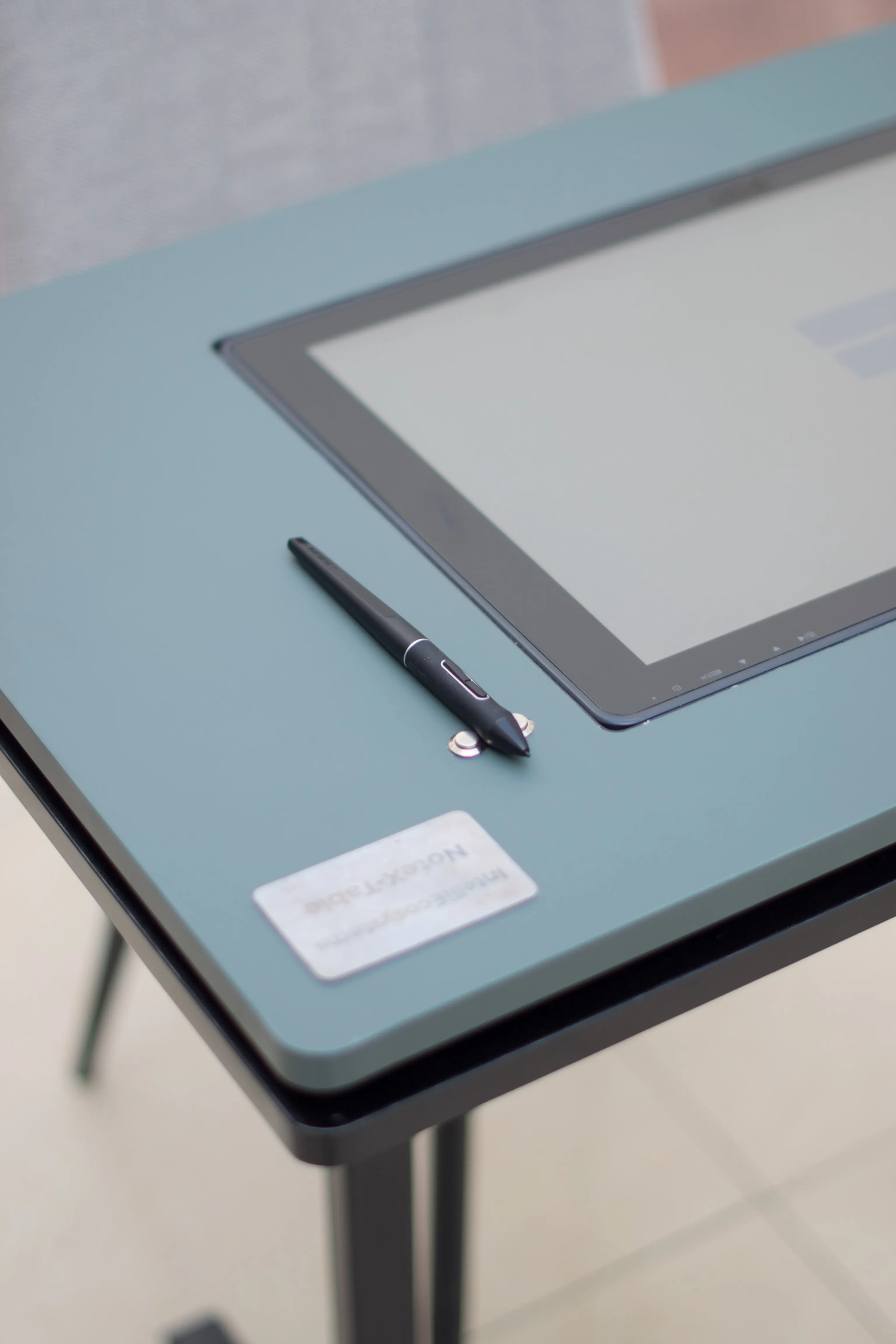
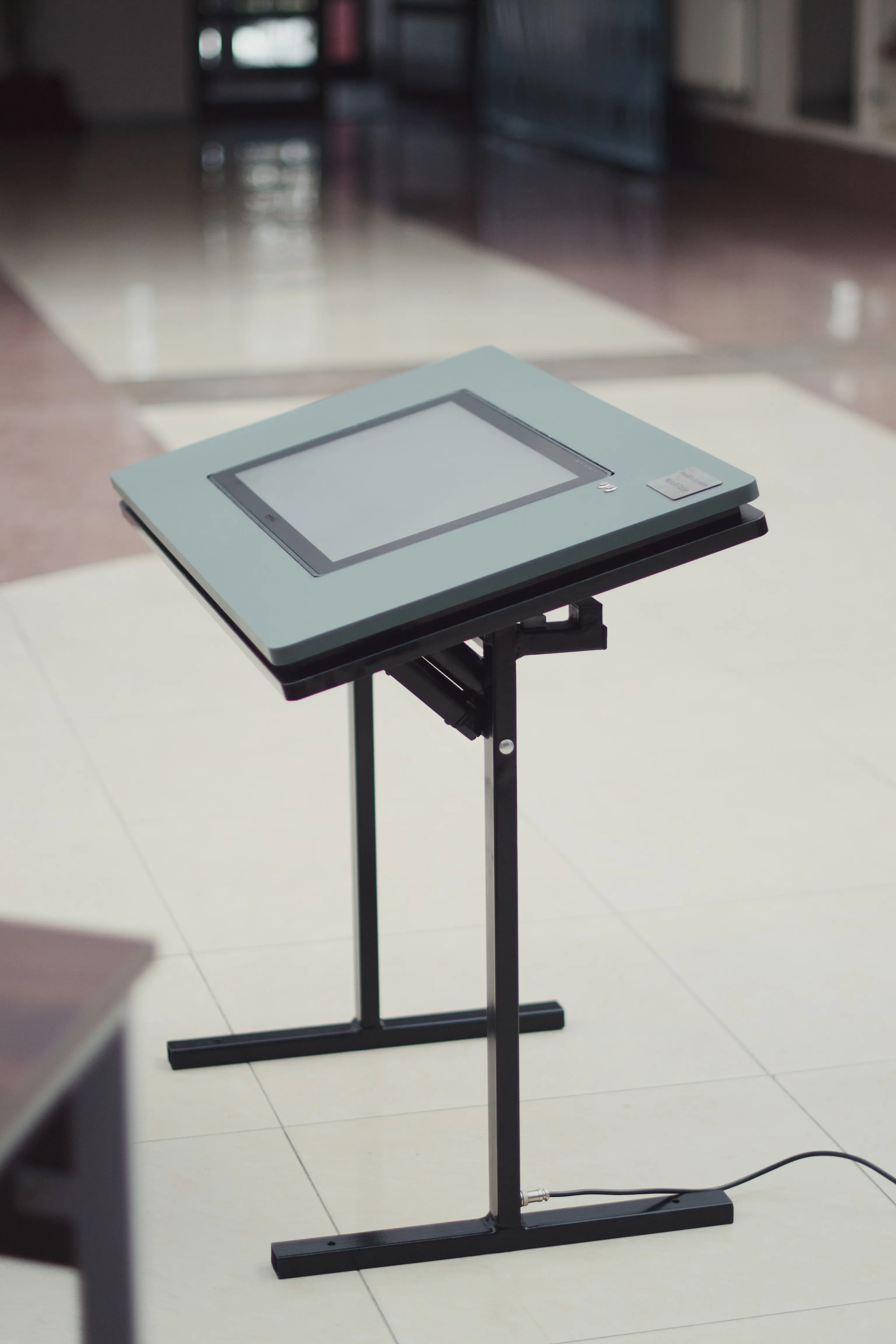
A handwriting-first desk for schools. Students stay focused, teachers keep their natural classroom flow, and every lesson becomes instantly digital without browser distraction.
High school students who admit to cheating on tests. (ICAI, 70K+ surveyed)
Students often carry more than 15% of their body weight to school. (IJERPH review of 21 studies)
Average school spend on paper, printing, and storage per year. (Helios Ed, 2025)
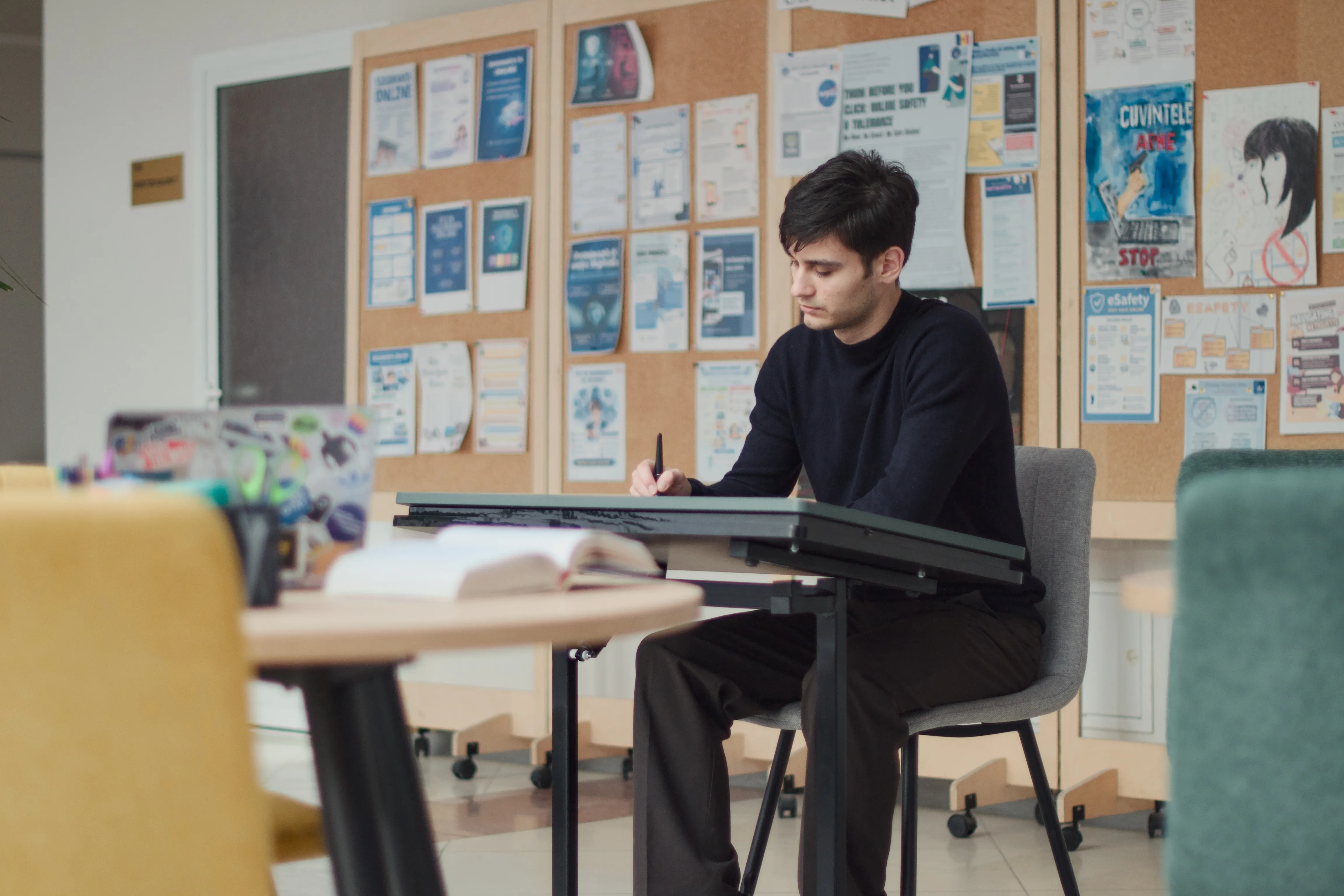
The desk. The pen. The classroom.
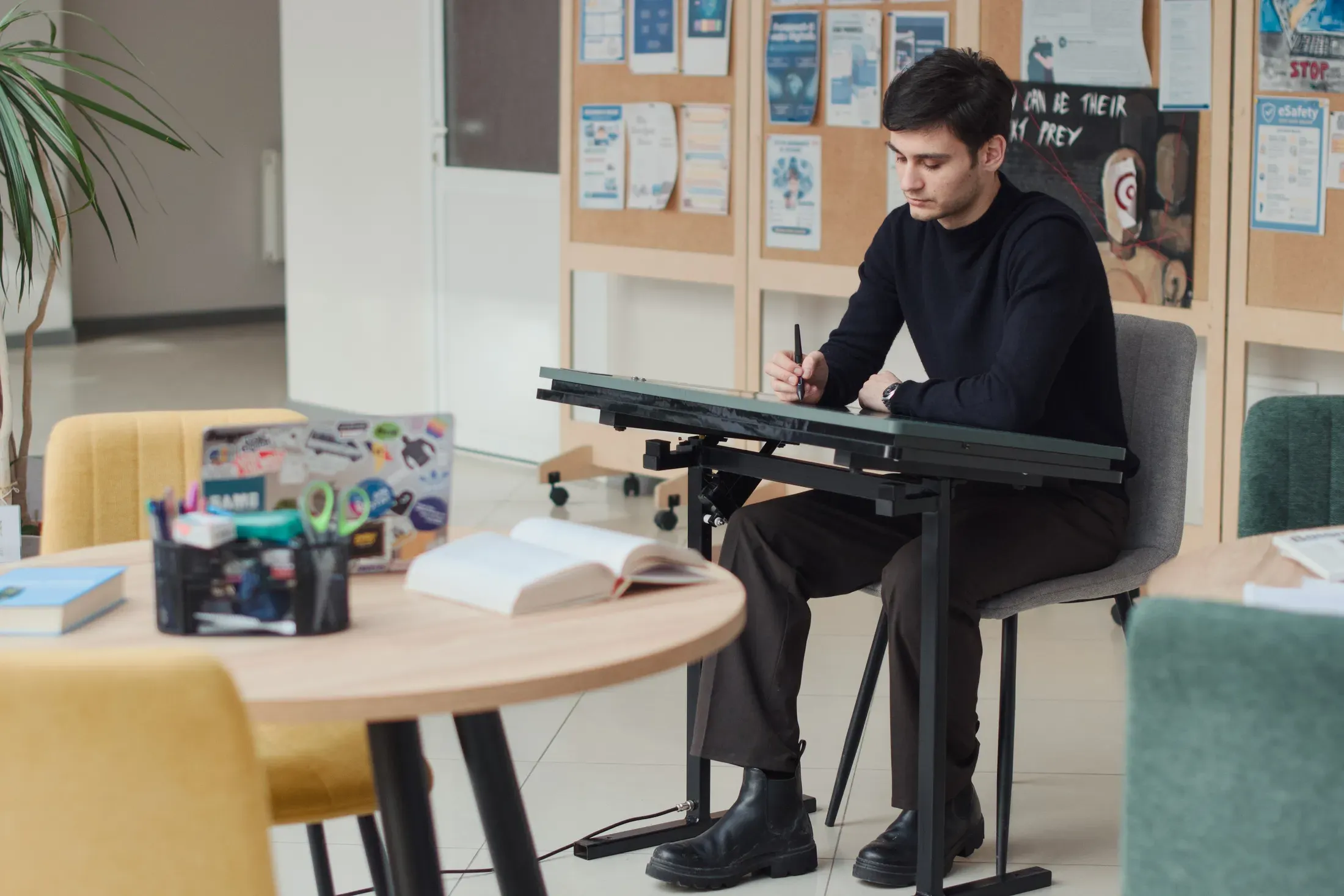
64% of high school students admit to cheating on tests. General-purpose devices create loopholes. Schools need exam integrity by design, not classroom policing layered on top.
Students often carry more than 15% of their body weight to school every day. NoteX replaces notebooks, textbooks, and paper packs with one integrated desk.
Schools spend roughly $40K a year on paper and printing. A digital handwriting workflow cuts recurring waste without asking teachers to abandon handwriting.
Load prompts and lesson boards once. Students open directly into the right writing context — no app switching, no configuration.
No browser, no notifications, no side apps. Handwriting stays central, attention stays in-room. Same brain activation as pen on paper.
Every handwritten session is captured digitally. Faster marking, clearer intervention planning, and better parent communication.

Subjects
Natural pen flow, board-style explanation, teacher-led pacing — unchanged.
Digital capture, faster feedback, and progress visibility without paper.
Browser distraction, non-learning apps, and fragmented in-lesson tool switching.
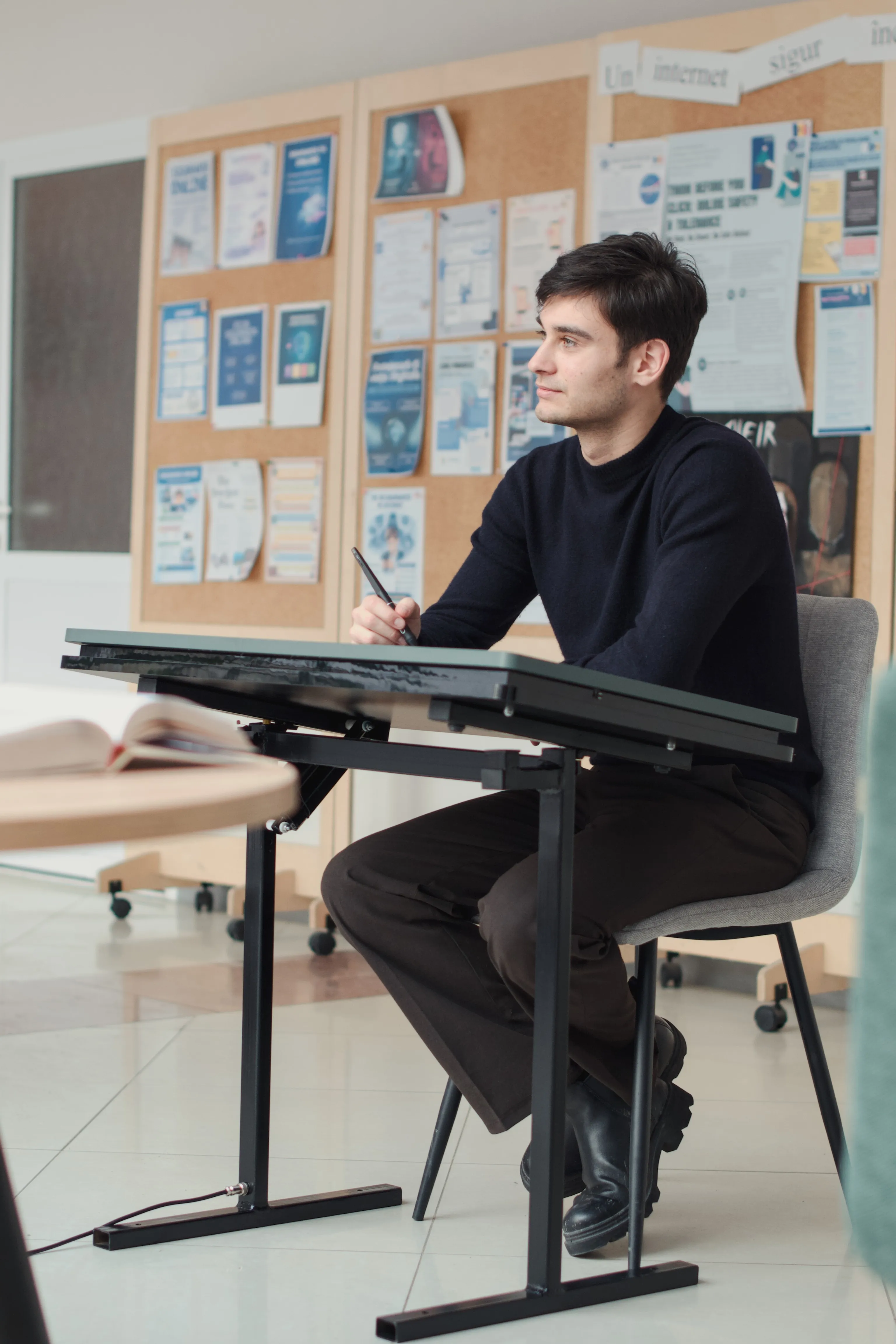
After a 5-class pilot with 12 students, the school asked for 60 desks. That gave us a clear first demand signal from a real classroom environment.
2 professors and 9 students ran a structured classroom test across math, language, and science use cases. The desk fit existing teaching patterns without adding complexity.
Winner of YEP 2026 and selected for Latitude59 in Tallinn. Early external validation is helping open the next set of school conversations.
We run a 12-week evidence-based pilot with your highest-impact department. You get a clear go / no-go recommendation before any broader commitment.
Kickoff with department leads, class selection, and baseline metrics.
Active classroom use with support checkpoints and adaptation reviews.
Outcomes report covering engagement, pedagogy fit, and expansion recommendation.
Most pilots can start within one academic term after procurement sign-off. Schools can pay in installments, so there is no need for a full upfront commitment.
No. It preserves handwriting while adding digital capture and workflow control. The same brain activation as pen on paper — confirmed by EEG research.
Yes. Designed for formulas, diagrams, multi-step handwritten reasoning, and exam-style notation across all STEM subjects.
Yes. The pilot includes baseline metrics, weekly reviews, and a full recommendation report before any broader commitment.