 NoteX Table

2019
Finland digitizes exams
National exam reform signals early momentum toward digital assessment.
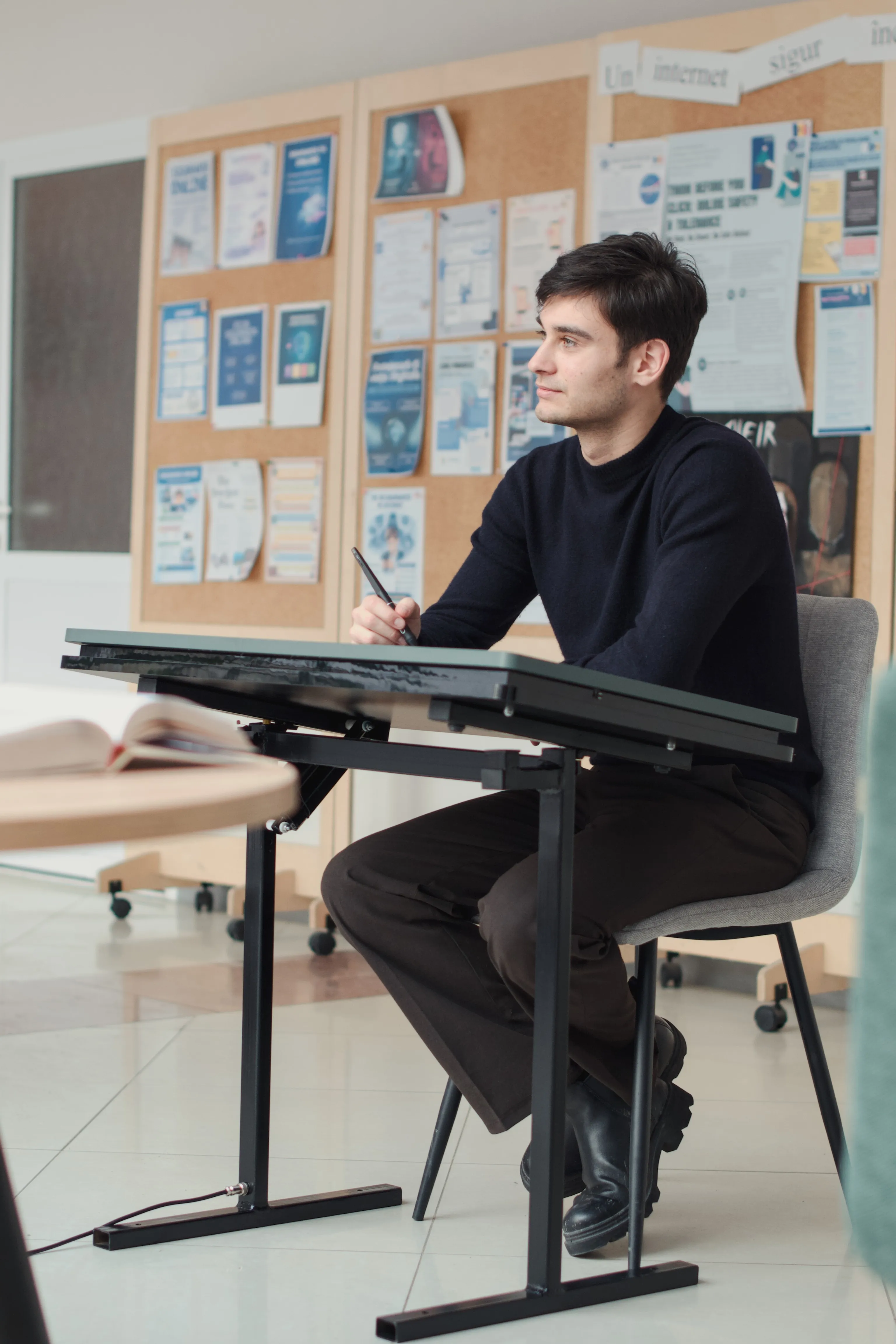
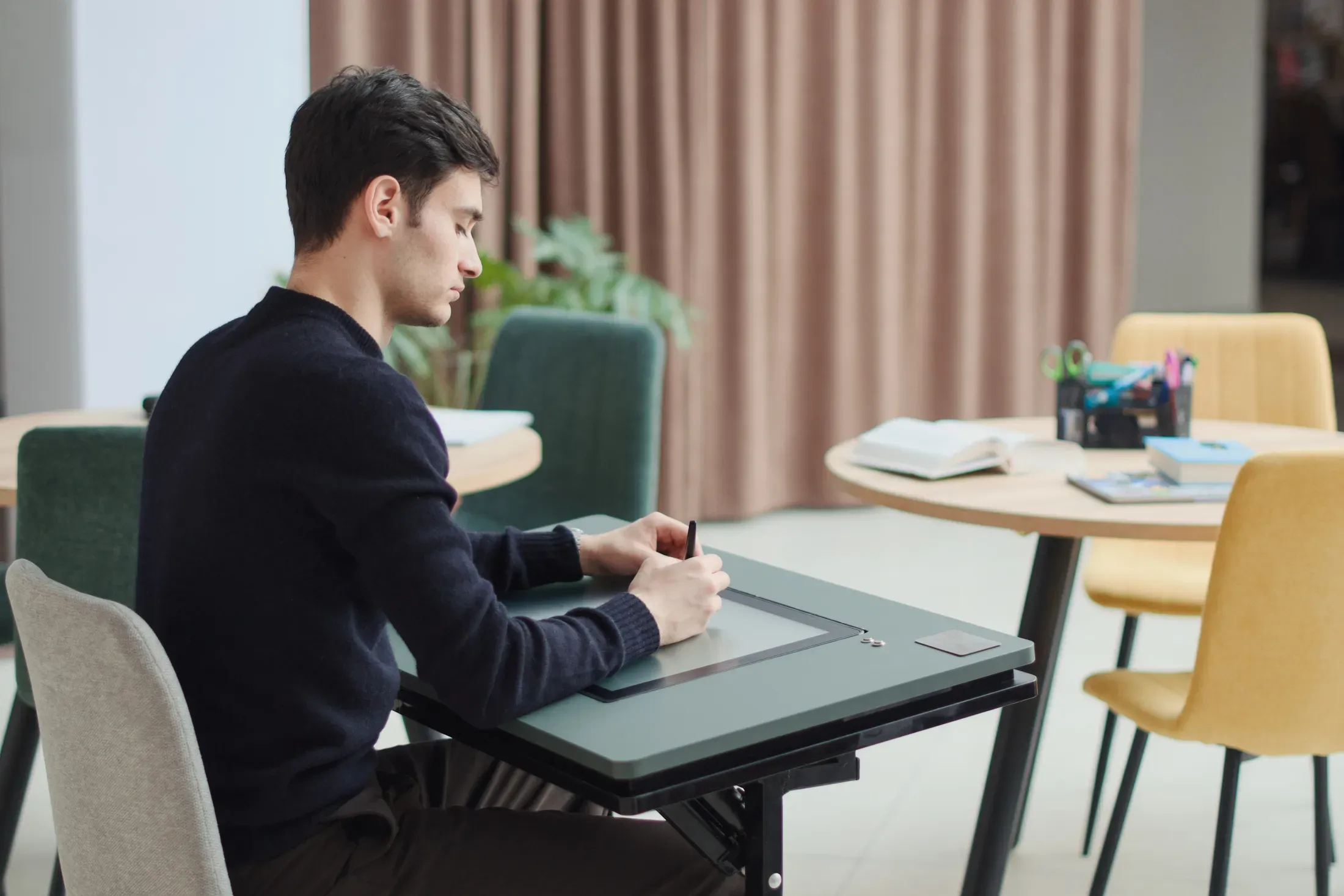
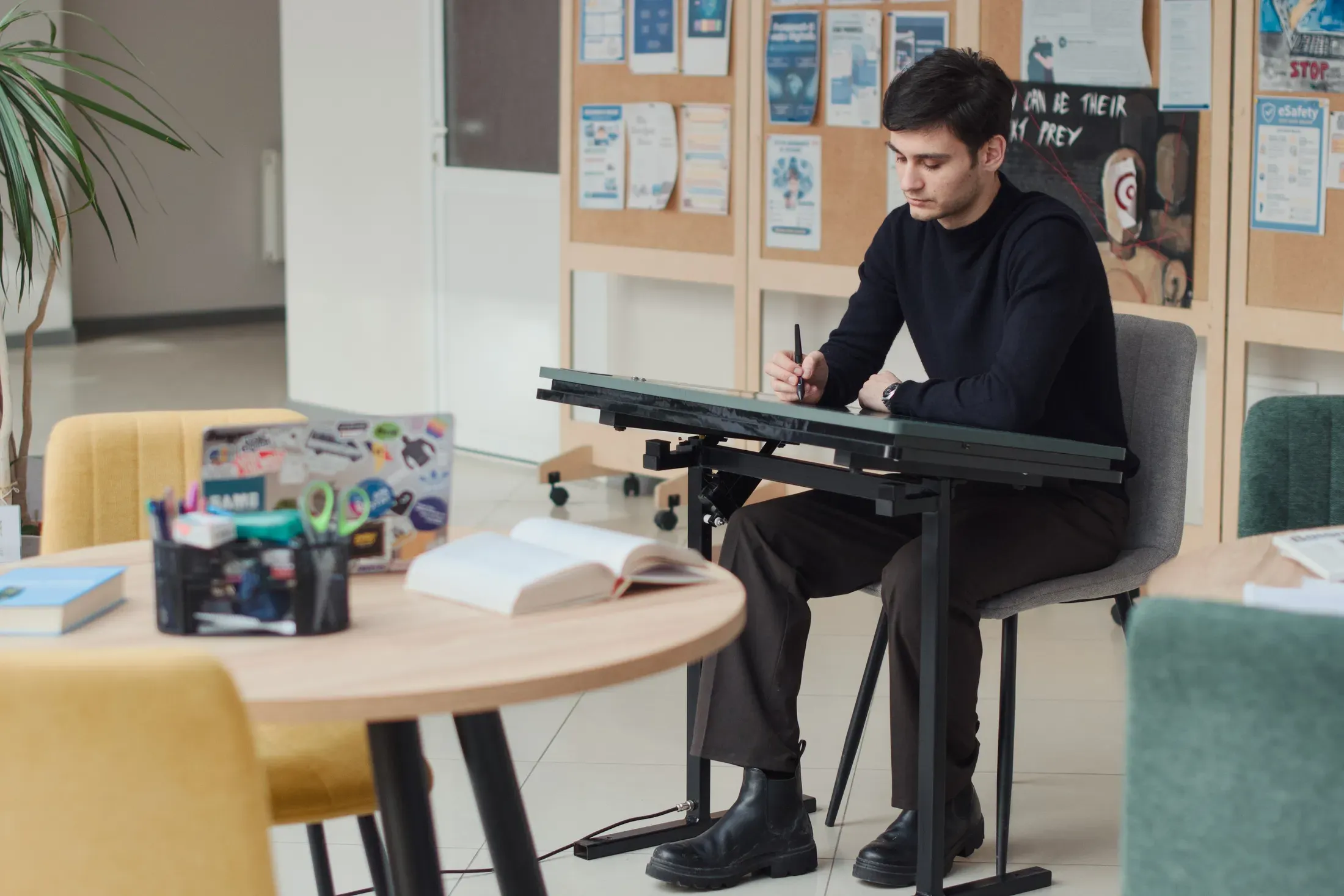
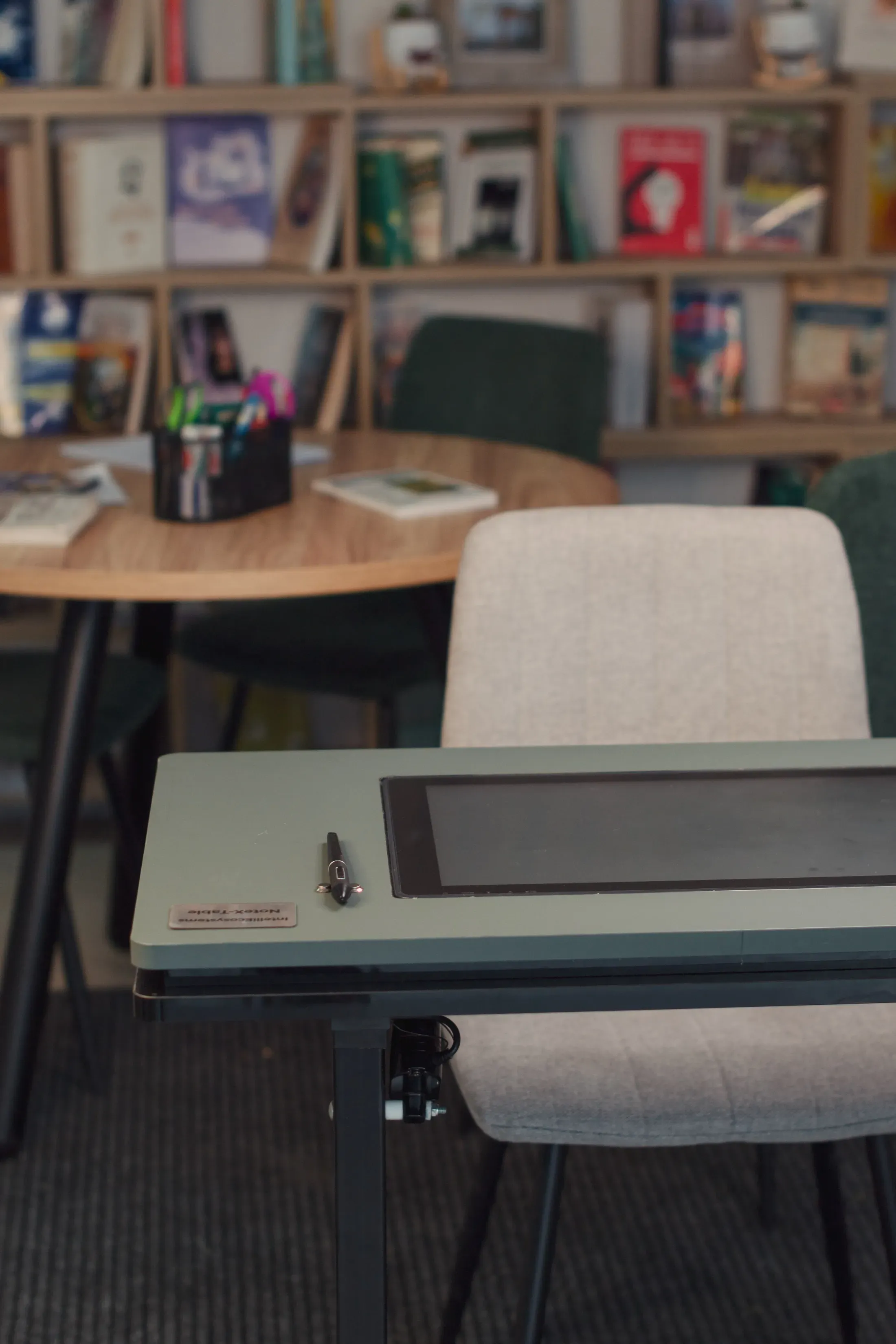
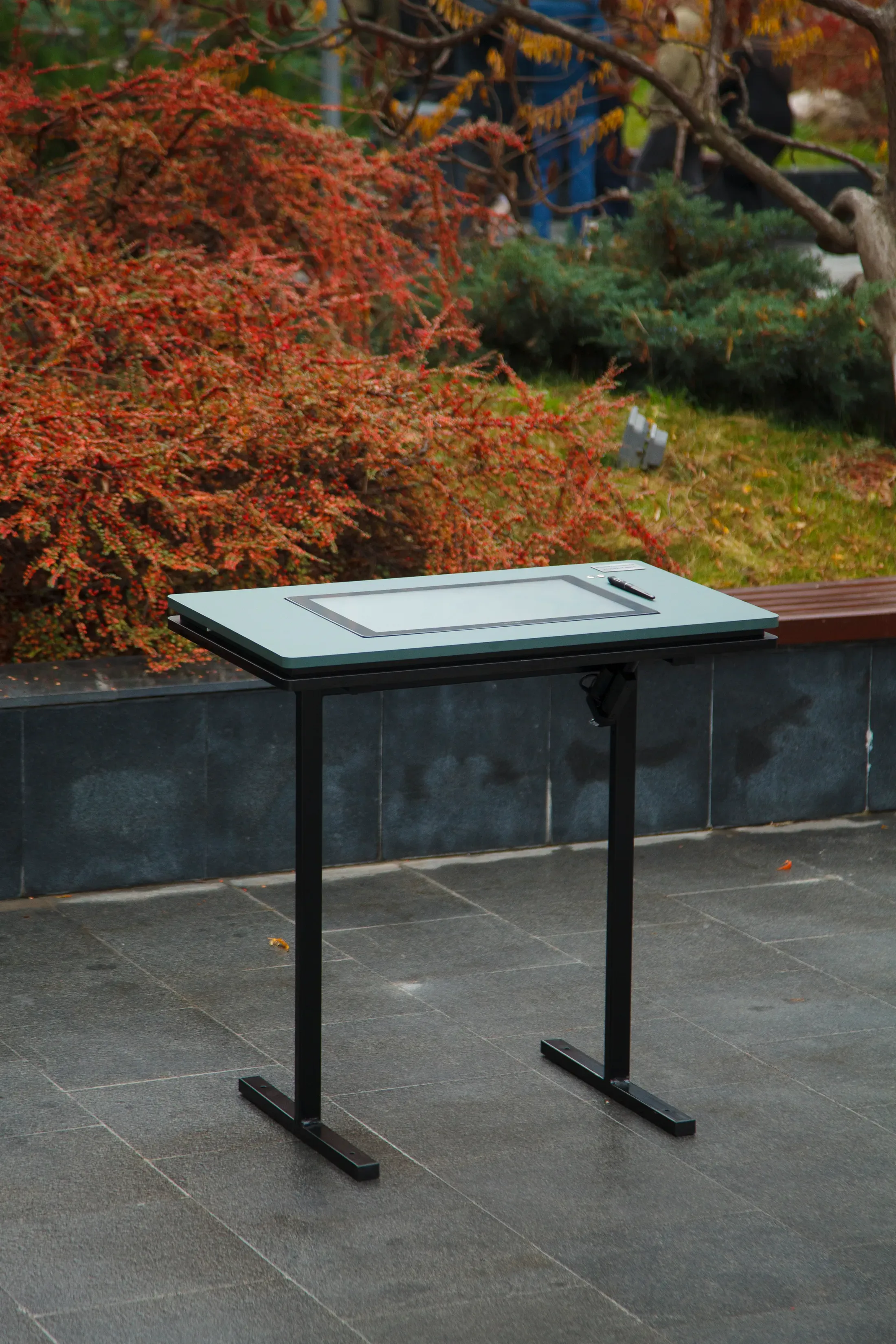
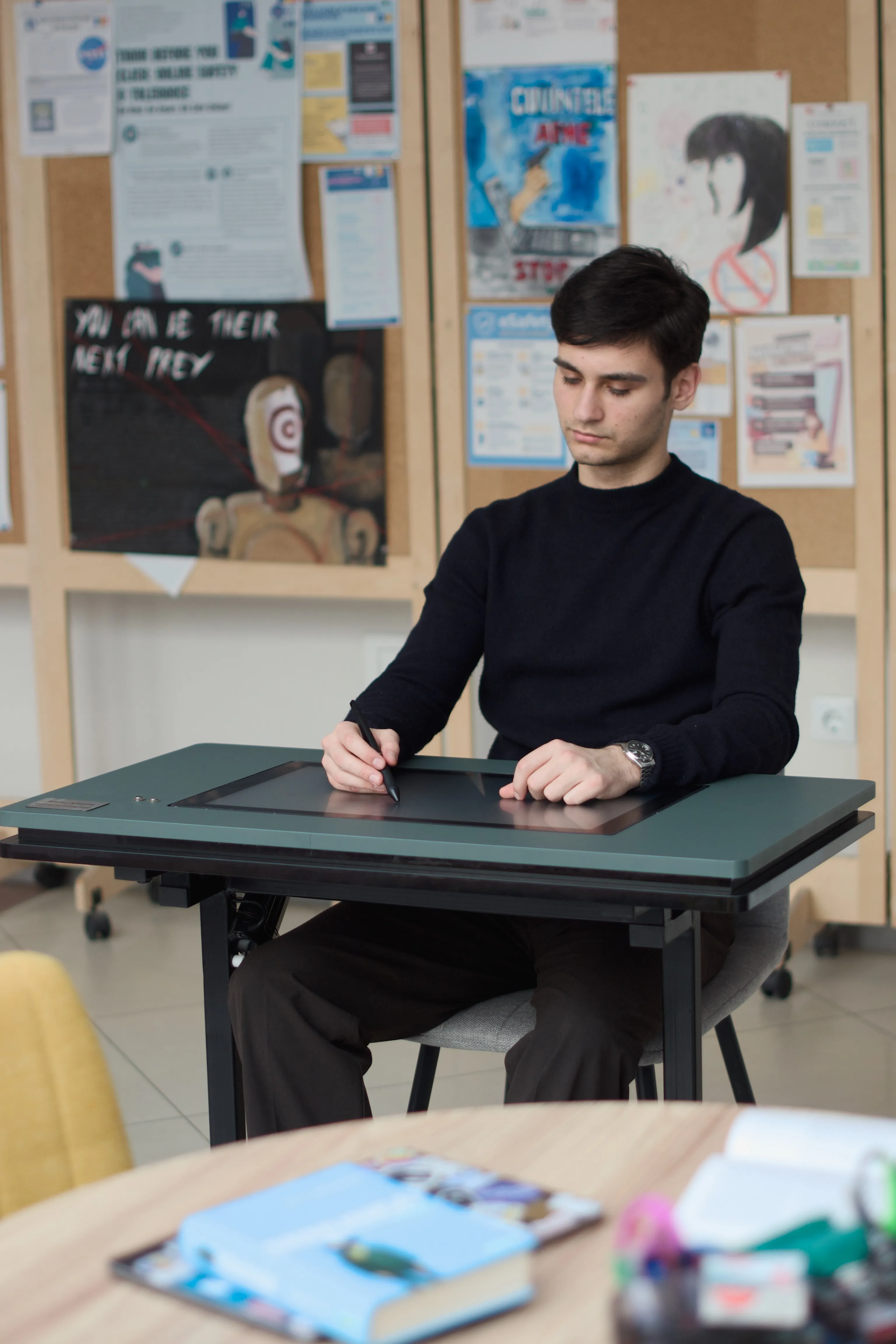
One device replaces notebooks, paper, and off-task screen time. NoteX Table combines a school-friendly hardware purchase with recurring software built around digital handwriting and assessment.
Global EdTech market, 13.3% CAGR. (Grand View Research, 2024)
Total global education spend. (HolonIQ, 2025)
Bottom-up estimate based on 50 European schools.
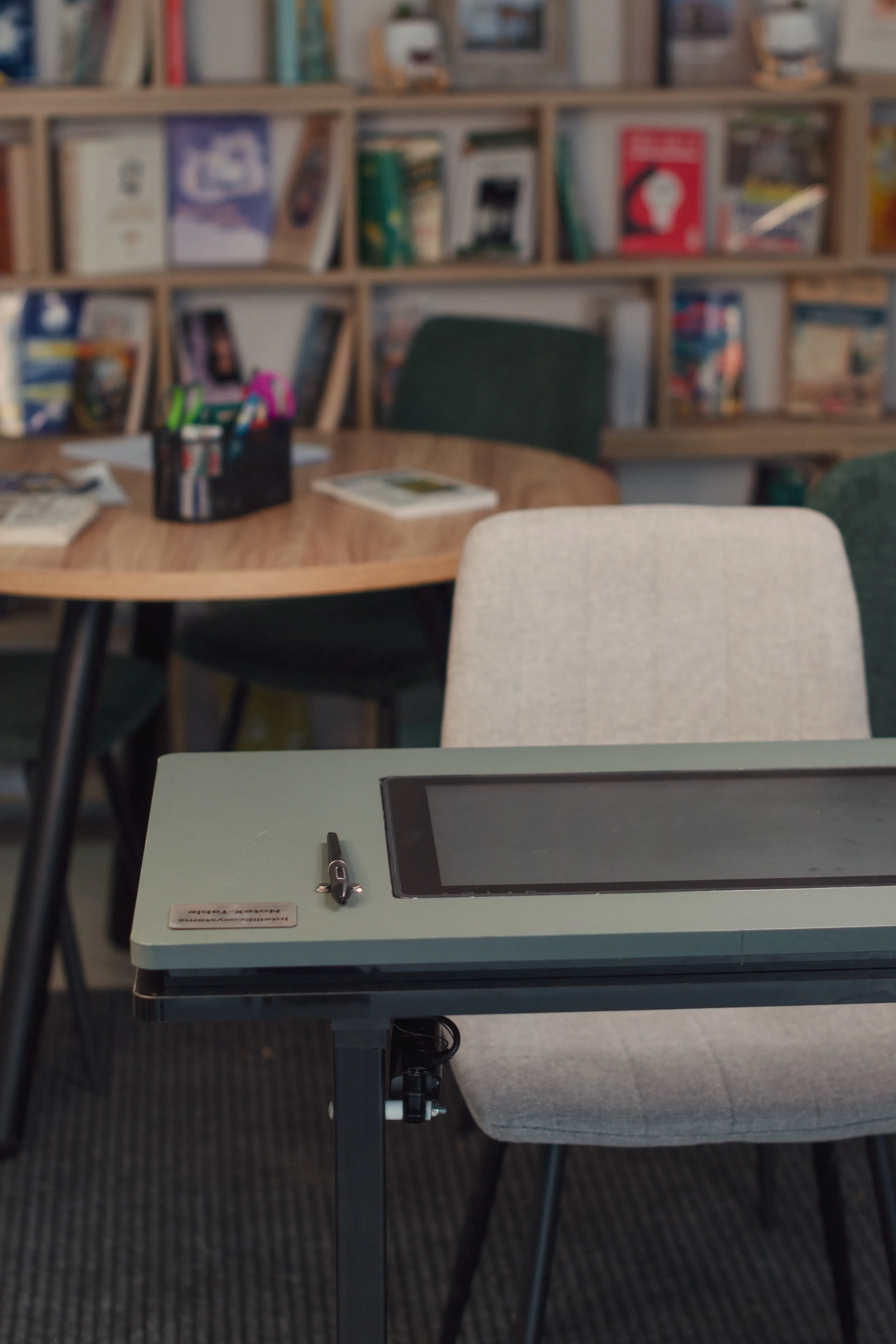
The product, in real classrooms.
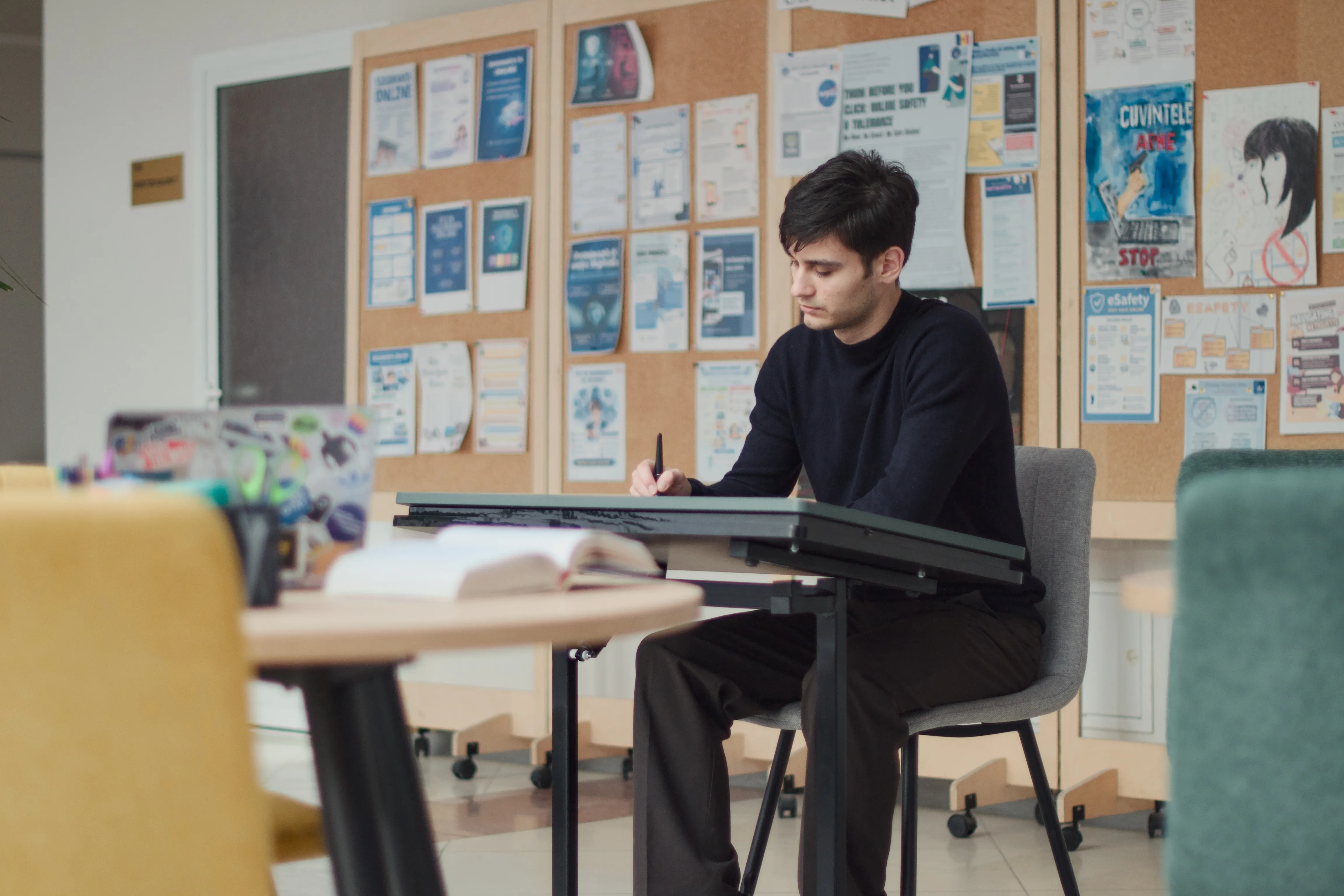
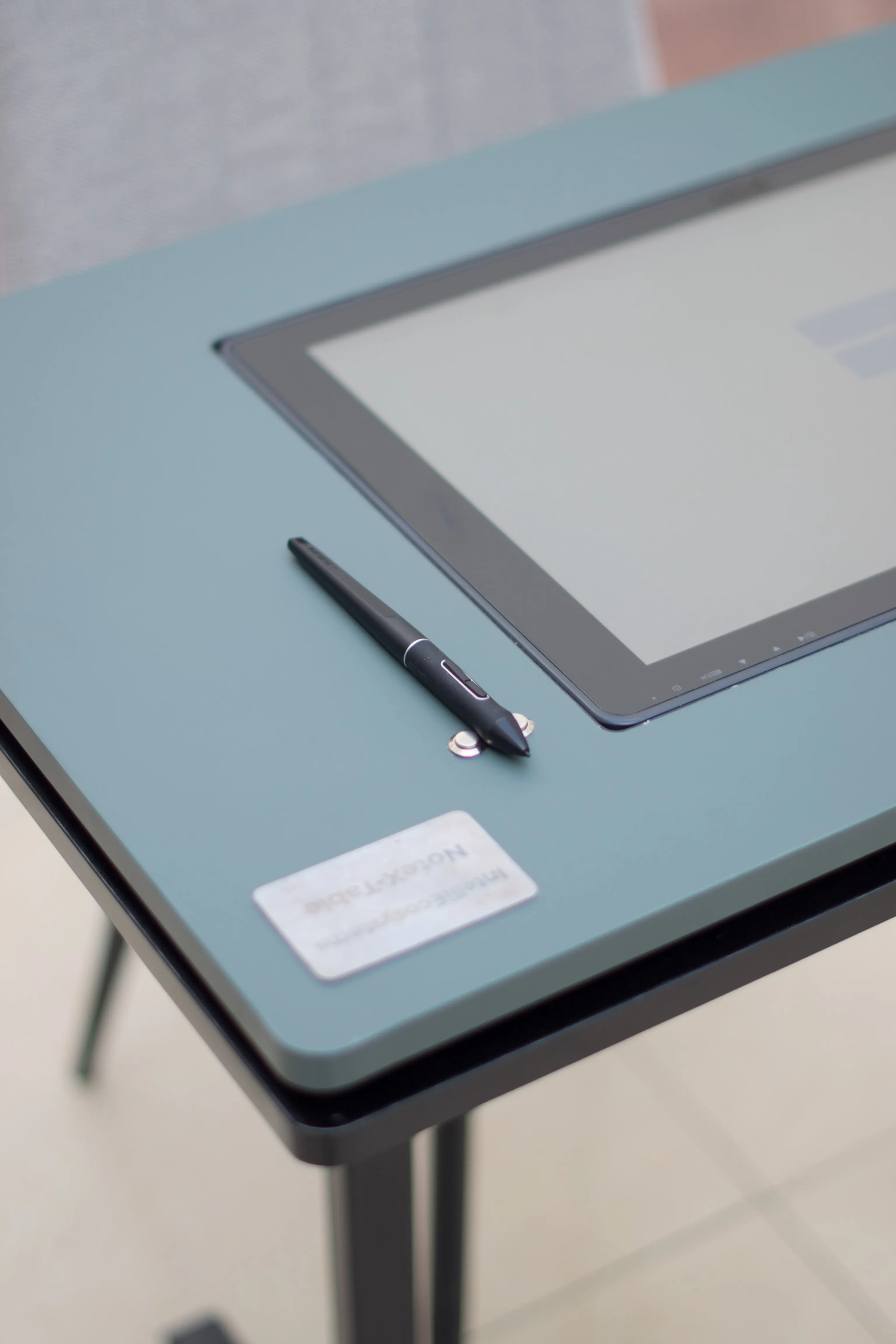
National exam reform signals early momentum toward digital assessment.
Australia shifts a major national testing workflow into digital delivery.
US testing reaches a mainstream turning point for digital exam formats.
Many AP workflows are now digital, but handwritten responses still matter across biology, statistics, physics, chemistry, and more.
Mainstream devices still do not serve exam-style notation, secure handwriting, or classroom focus by default.
| Capability | NoteX | iPad / reMarkable |
|---|---|---|
| Natural handwriting flow | ✓ Built around writing | Partial / secondary |
| No browser distraction | ✓ By design | Requires MDM or policy |
| Exam integrity | ✓ Locked classroom use | Not purpose-built |
| Backpack replacement | ✓ One desk system | Partial |
| School procurement fit | ✓ Purpose-built for schools | General-purpose device |
Complete
Complete
LT Aristotel asked for 60 desks after a 5-class pilot with 12 students. LT Mircea Eliade completed teacher-led classroom testing with 2 professors and 9 students.
Winner of YEP 2026. Selected for Latitude59 in Tallinn.
Funds the first full pilot deployment, production setup, and the path to first contracted school rollouts.
Major exam systems are already moving to digital delivery: Finland, NAPLAN, SAT, and AP. The missing piece is a device built for handwriting, focus, and exam-style classroom use.
The prototype is built and tested in real classrooms. LT Aristotel asked for 60 desks after a pilot covering 5 classes and 12 students. LT Mircea Eliade completed teacher-led testing with 2 professors and 9 students.
Revenue comes from one-time hardware sales plus recurring software and maintenance. The raise is structured to fund pilot deployment, production setup, and the first contracted school rollouts.
The pre-seed round is €396K. It funds the first full pilot deployment, production setup, and the path from working prototype to repeatable school procurement.